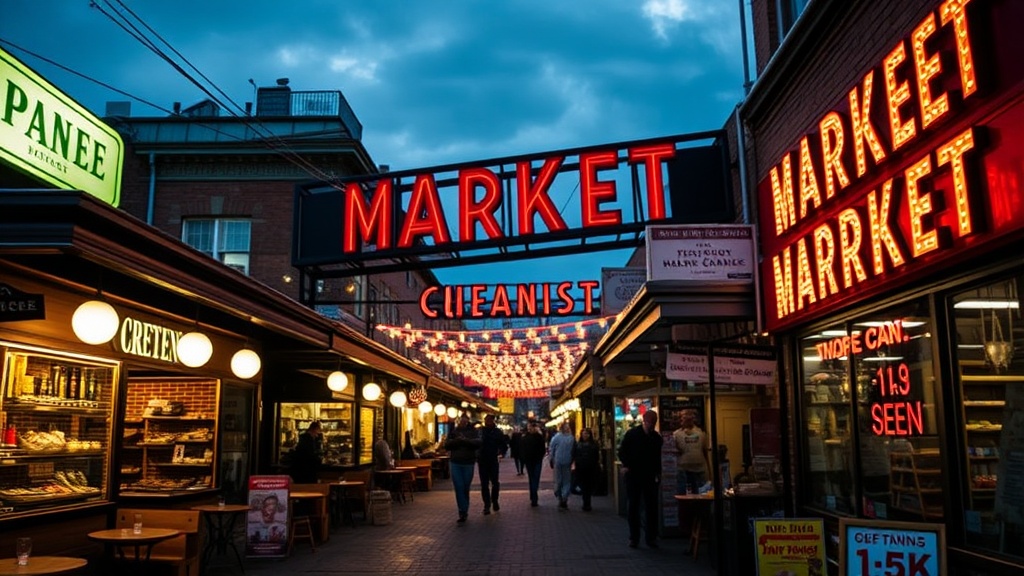
7 Hidden Gems You Can't Miss in Toronto's Kensington Market

R browse the legendary vintage shops along Augusta Avenue
Sample authentic tacos and pupusas at the Latin American food stalls
Admire the ever-changing street art murals on Kensington Avenue
Grab a espresso at one of the independent coffee roasters
Hunt for rare vinyl records and quirky antiques in the back alleys
What Makes Kensington Market Worth Exploring Beyond the Obvious?
Kensington Market overflows with tourists snapping photos of the iconic neon signs and crowding into the same three ice cream shops every weekend. This post cuts through the noise. You'll discover seven under-the-radar spots that locals actually frequent — places serving extraordinary food, housing rare vinyl collections, and preserving the neighborhood's authentic character. Whether you're a Toronto resident looking to see the Market with fresh eyes or a visitor who wants to experience the real neighborhood, these picks deliver substance over style.
Where Can You Find the Best Authentic Latin American Food in Kensington Market?
El Local on Augusta Avenue serves the most honest Salvadoran pupusas in the city. The catch? Most visitors walk right past it.
This tiny counter-service spot doesn't chase Instagram aesthetics. The walls are plain white. The menu fits on a single laminated sheet. What you're here for are the pupusas — thick corn masa pockets stuffed with loroco flower and cheese, or revueltas (pork, beans, cheese). They're handmade to order, griddled until the exterior develops that perfect crispy-chewy texture, and served with a tart curtido slaw that cuts through the richness.
The Lopez family has run El Local since 2015. Their curtido recipe comes from San Miguel — fermented for three days minimum, not the quick-pickle version most places serve. Order the combo plate with two pupusas, fried plantains, and refried beans. It's $14.50. You'll leave full.
Worth noting: they close at 7 PM most days and aren't open Sundays. Plan accordingly.
What Hidden Record Store Still Presses Its Own Vinyl?
Kops Records on Nassau Street houses a functioning record press in the basement — one of maybe five remaining in Canada.
The storefront looks unchanged since 1976 (because it largely is). Crammed bins of used vinyl spill onto the floor. The jazz section alone could swallow an afternoon. But here's the thing — head to the back counter and ask about the pressing operation. If Dave's working, he'll walk you down to see the machines.
Kops does small-run pressings for local bands, reissues of Toronto punk classics, and the occasional bespoke wedding record. The minimum order is 100 units. They've pressed everything byhand — no automated stampers — which gives their vinyl that slightly irregular character collectors obsess over.
The shop's inventory leans heavy on Canadiana. Expect to find rare Teenage Head pressings, early Rush singles, and an entire wall of Montreal jazz from the 70s. Prices range from $3 bargain bins to $400 sealed original pressings. Bring cash for the best deals — Dave cuts 10% for bills.
Which Bakery Makes the Best Portuguese Tarts You've Never Heard Of?
Padaria do Conde on Baldwin Street doesn't appear in any guidebooks. That's exactly why the Portuguese grandmothers shop here.
Their pastéis de nata emerge from the oven every hour starting at 7 AM. The custard — egg yolks, sugar, a touch of cinnamon — sits in shells of laminated dough so flaky they shatter on contact. The tops blister and caramelize in spots. They're still warm when you bite in.
The bakery opened in 1989, before the Market became a destination. Senhor Ferreira still arrives at 4 AM to start the dough. His son handles the afternoon shift. Nothing here costs more than $4.
Skip the lineup at the tourist-facing spots. Walk two blocks north to Padaria do Conde. Grab a tart and a bica (Portuguese espresso). Stand at the counter like the regulars do. You'll taste the difference immediately — less sugar, better eggs, proper technique.
| Bakery | Price per Tart | Made Fresh | Wait Time | Coffee Quality |
|---|---|---|---|---|
| Padaria do Conde | $3.25 | Hourly | None | Excellent |
| Nova Era | $3.75 | Morning batch | 5-10 min | Good |
| SanRemo | $4.00 | Morning batch | 15-20 min | Average |
Where Do Locals Actually Buy Their Groceries?
Caribbean Corner on Augusta Avenue functions as the neighborhood's pantry. This isn't curated for tourists — it's where Jamaican grandmothers stock up on ackee, callaloo, and the proper Scotch bonnet peppers.
The produce section spills onto the sidewalk: crates of yams, plantains at three stages of ripeness, breadfruit when in season. Inside, shelves hold hard-to-find ingredients — dried sorrel for Christmas drinks, tamarind pods, fresh coconut jelly sold in hacked-open husks. The butcher counter in back sells oxtail by the pound and whole snapper, eyes clear, ready for escovitch.
Prices beat any supermarket. A bag of provisions that would cost $45 at Loblaws runs about $28 here. The staff knows their stock. Ask how to prepare breadfruit and you'll get a five-minute explanation complete with family recipe variations.
That said — don't expect organic certification or fancy packaging. This is a working grocery store, not a lifestyle boutique. The floors are uneven. The lighting is fluorescent. The food is exceptional.
What Vintage Shop Actually Has Reasonable Prices?
Exile on Kensington Street looks like chaos. It is chaos. But dig through the piles and you'll find genuine vintage at prices that haven't changed much since 2010.
The owner, Marcus, buys estate sales and storage lockers across Ontario. He doesn't curate by trend — he sorts by decade and lets the stock speak. This means you'll find 90s flannel next to 60s silk scarves next to workwear from the 40s. Condition varies. That's the point.
Denim jackets run $25-45. Wool overcoats from the 50s and 60s hover around $60. Band t-shirts — actual vintage, not reproductions — start at $15. The basement holds the real treasures: military surplus, deadstock work boots, vintage leather bags with decades of patina.
Here's the thing about Exile: Marcus remembers faces. Return customers get first look at new acquisitions. Mention what you're hunting — he's got back rooms he hasn't sorted yet. Last month, a regular scored a 1972 Blue Jays inaugural season jacket for $40. It sells for $400 on eBay.
Where's the Quietest Place to Grab a Coffee?
Fika Cafe on Kensington Avenue hides behind an unmarked door. No sign. Just a small window and a chalkboard that usually says "open."
The space is narrow — maybe 400 square feet total. Six tables. No WiFi password (there isn't any). The Swedish owners roast their own beans, light and bright, served in ceramic cups that retain heat properly. The kardemummabullar (cardamom buns) arrive fresh at 10 AM and sell out by 2 PM.
This is where Kensington residents escape the Market's chaos. Medical residents from nearby hospitals type notes in the corner. Old Portuguese men play cards in the back. Nobody rushes you.
The coffee menu is simple: espresso, macchiato, cappuccino, filter. The filter coffee — made with a Chemex — costs $4 and comes with free refills. Sit by the window. Watch the crowds surge past outside while you stay removed. It's the best vantage point in the neighborhood.
Which Bar Serves the Most Interesting Local Beer Selection?
Thirsty & Miserable on Baldwin Street runs only Ontario craft beer. Twelve taps, zero repeats, changed completely every two weeks.
The name references the Black Flag song. The vibe matches — punk on the stereo, tattooed bartenders who actually know brewing, zero cocktail menu. This is where brewers from Bellwoods and Blood Brothers drink on their nights off.
The tap list skews experimental. Recent highlights: a dill pickle gose from MERIT in Hamilton, a barrel-aged imperial stout from Sawdust City, a spontaneously fermented farmhouse ale from Robin Hood in Stratford. Pints run $7-9 — reasonable for the quality.
Worth noting: no food menu. The bartender will recommend nearby spots for takeout. Many regulars grab tacos from El Local and eat them at the bar — perfectly acceptable here. The crowd skews industry. Conversations drift between hop varieties, Toronto rent, and which breweries are opening next.
How Should You Plan Your Visit to Avoid the Crowds?
Kensington Market transforms completely depending on when you arrive. Here's what you need to know:
- Weekday mornings (8-11 AM): The neighborhood belongs to residents. Shops are opening, coffee is fresh, parking exists. This is when to hit the bakeries and grocers.
- Weekend afternoons: Avoid unless necessary. The pedestrian zone overflows with tour groups and bachelorette parties. Waits stretch to 30 minutes at popular food counters.
- Sunday Pedestrian Sunday: The last Sunday of each month, Augusta and Baldwin close to cars. It's festive but packed. Go early or skip it entirely.
- Evenings (after 6 PM): Most food counters close. The bars and restaurants stay busy. Thursday through Saturday nights get rowdy — think young crowds, loud music, spilled drinks.
The hidden gems listed here function on different schedules than the tourist spots. El Local and Padaria do Conde close early. Exile stays open until 8 PM. Thirsty & Miserable doesn't open until 4 PM most days.
Your best strategy: arrive by 9 AM on a Tuesday or Wednesday. Hit the bakeries and grocers first. Browse Exile and Kops through the late morning. Grab lunch at El Local. Find coffee at Fika. Return in the evening for Thirsty & Miserable. You'll see the Market as it actually exists — a working neighborhood with exceptional food, real commerce, and genuine character that persists despite the crowds.