Which Kensington Market Laneways Hide the Best Local Secrets?

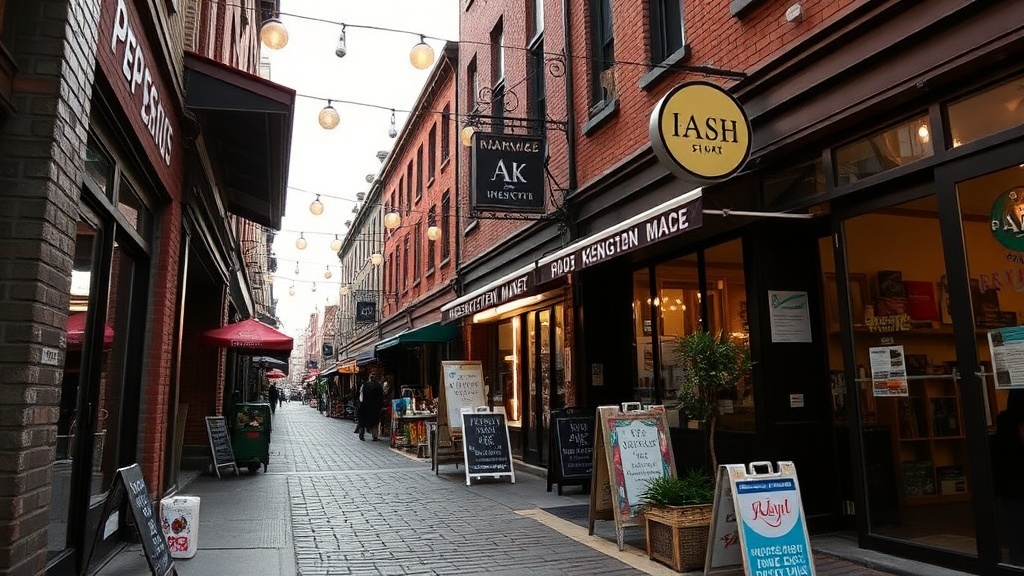
Kensington Market's narrow laneways predate Toronto's modern grid system by more than a century. These passages—originally built for horse-drawn delivery carts—now connect over 40 local businesses, studios, and community spaces that most pedestrians walk right past. If you've only stuck to the main drags, you've missed half of what makes our neighbourhood work.
This isn't a tour guide. We're mapping the shortcuts, dead-ends, and cut-throughs that locals actually use to get between appointments, grab lunch, or find some quiet away from the bustle of Augusta Avenue. These routes won't show up on Google Maps with any accuracy. You learn them from watching which doors the longtime shopkeepers use.
Why Do Locals Still Use Kensington's Back Alleys?
The laneways running parallel to Nassau Street and between Baldwin and Oxford weren't designed for Instagram. They developed organically as residents and business owners cut through fences, added gates, and created informal passages to move goods and people. Today, these same routes shave minutes off a commute and hide some of the Market's most interesting operations.
Take the passage that connects Bellevue Square Park to the rear of businesses along Kensington Avenue. On paper, it's a utility corridor. In practice, it's how the staff at Blackbird Vintage move inventory without fighting pedestrian traffic on weekends. Walk it on a Tuesday morning and you'll see delivery drivers from Kensington Fruit Market wheeling produce directly into storage—no unloading onto sidewalks required.
The laneway behind Seven Lives Tacos serves a similar function. There's no sign pointing to it from Nassau Street, but locals know it connects through to St. Andrew Street. During Pedestrian Sundays, it becomes an unofficial bypass for cyclists and parents with strollers who need to get across the neighbourhood without navigating the closed-off main streets.
What Businesses Operate Out of Kensington's Hidden Spaces?
Several Kensington Market businesses deliberately chose locations off the main footpaths. Lower rent helps, but there's also a practical reason: these spaces suit specific operations that don't need walk-in traffic.
Cold Tea—the bar tucked behind Kensington Avenue in a space that used to be a Chinese social club—operates without a street-facing entrance. You access it through an unmarked door in a parking area. The setup works because the venue built its reputation through word-of-mouth among locals rather than tourist walk-ins. The lack of signage filters for people who actually know the neighbourhood.
Further east, several artist studios occupy the second floors above Kensington's ground-level retail, accessible only via exterior staircases in the rear. The Kensington Market Art Fair organizers maintain an office in one of these spaces. During the fair—which runs monthly from May through October—these same laneways become staging areas for vendor load-in. Watching the setup on a Sunday morning gives you a sense of how much coordination keeps the Market running.
Wanda's Pie in the Sky uses its back entrance on Oxford Street for wholesale bakery pickups. Local cafés that stock their muffins and scones send staff to that door rather than through the front of house. If you've ever wondered how smaller coffee spots in the Market source their pastries without a full kitchen, this is the infrastructure that makes it possible.
Where Can You Find Quiet in Kensington Market?
The neighbourhood has a reputation for density and noise, but several laneways function as unofficial quiet zones. The passage off Stephanie Street—technically a private driveway shared between several residential buildings—has benches installed by the condo association. They're not marked for public use, but nobody stops you from sitting there. It faces a mural commissioned by Kensington Market Community Land Trust in 2019, depicting the history of the neighbourhood's Portuguese community.
The courtyard behind Pow Wow Cafe operates similarly. Accessible through a narrow gap between buildings on Augusta, it seats maybe eight people. During lunch hours, you'll find kitchen staff from nearby restaurants on their breaks. Late afternoon, it attracts freelancers from the co-working space on the second floor above.
Bellevue Square Park itself has back corners that most visitors miss. The northeast section, near the Alton Milo Memorial, gets less foot traffic than the central fountain area. It's where the community gardeners hold their informal meetings and where you'll find the memorial bench dedicated to Tommy Common, a local character who sold newspapers in the Market for four decades.
How Do Kensington's Laneways Change After Dark?
The character of these passages shifts significantly after business hours. What functions as a service corridor during the day becomes something else entirely once the shops close. Some locals avoid certain alleys after sunset—particularly the unlit stretch behind the former Kensington Market Pharmacy building. Others use them as shortcuts specifically because they're empty.
The laneway connecting Niagara Street to the Market's interior has become an unofficial gallery for stencil art and wheat-pasted posters. Unlike the commissioned murals on the main streets, this work turns over rapidly. A piece might last two weeks before being covered. The Kensington Market BIA takes a hands-off approach here, recognizing that this organic art cycle is part of what differentiates the neighbourhood from managed districts like the Distillery.
Security lighting installed by the City of Toronto in 2018 changed the nighttime dynamic. Previously dark corners now have motion-activated LED fixtures. The change reduced after-hours incidents but also eliminated some of the informal gathering spots where locals used to have beers away from crowds. You can track the tension between safety and character playing out in real time.
Which Routes Do Kensington Delivery Drivers Actually Use?
If you want to understand how the Market functions, watch how goods move through it. The TTC's 510 Spadina streetcar tracks along Spadina Avenue create a natural barrier. Most local delivery traffic enters from the west via Nassau Street or from the north via Baldwin Street. Drivers who've worked the neighbourhood for years know which alleys can accommodate a van and which will leave them stuck.
The passage behind Kensington Optometry on Baldwin Street is wide enough for small trucks. That's why the fishmonger at Kensington Seafood receives morning deliveries there, wheeling product directly into cold storage. The same route lets the Blue Banana Market restock its housewares section without blocking the sidewalk.
During the winter months, these logistics become more complicated. Snow clearing in the laneways is inconsistent—some are maintained by the City, others by private property owners, and some not at all. The Kensington Market Community Land Trust organizes volunteer shovelling for the passages connecting social housing buildings to main streets. It's mundane infrastructure work, but missing it would strand elderly residents in their homes after heavy snowfalls.
Are Kensington's Laneways Becoming Too Developed?
The question of gentrification in Kensington usually focuses on retail rents and restaurant openings. Less visible is the pressure on the laneways themselves. Several property owners have applied for permits to enclose rear portions of their buildings, effectively privatizing what have historically been shared passages.
The Kensington Market Heritage Conservation District guidelines technically protect the existing street pattern, including laneway widths and public access points. In practice, enforcement varies. A 2022 proposal to gate a passage off Oxford Street for "security reasons" was rejected after community opposition organized through the Kensington Market Residents' Association. Similar applications keep coming.
What hangs in the balance is the neighbourhood's informal economy—the mechanics who repair bikes in back courtyards, the musicians who load equipment through rear doors, the artists who access studio spaces via exterior stairs. These uses don't generate much tax revenue and they're rarely permitted under current zoning. But they're what make Kensington Market function as a living neighbourhood rather than a consumption district.
Practical Notes for Navigating Kensington's Back Routes
If you're going to use these passages, observe local protocol. Don't block doors—many are active fire exits. Don't photograph people without asking; these are functional spaces, not tourist attractions. If a gate is closed, it's closed for a reason. The residential buildings mixed throughout the Market mean that what looks like a public alley might actually be private property with tenants who've lived there for decades.
Good footwear helps. The paving in Kensington's laneways ranges from modern concrete to original brick to packed dirt. After rain, some sections flood. In winter, ice builds up where drainage is poor. The City of Toronto's 311 service will take reports about hazardous conditions, but response times vary.
The best way to learn the network is to follow someone who knows it. Watch which shortcuts the postal workers use. Notice which doors the café staff exit for smoke breaks. Kensington Market's laneways aren't secret—they're just not advertised. That distinction matters. It keeps the neighbourhood functional for the people who depend on it rather than treating every inch of public space as a photo opportunity.
For historical context on how Toronto's laneway system developed, the City Planning Division maintains records of the original 19th-century surveys. The Kensington Market BIA also publishes walking maps that include some of the more stable public passages—though they wisely omit the private routes that keep local businesses running.